
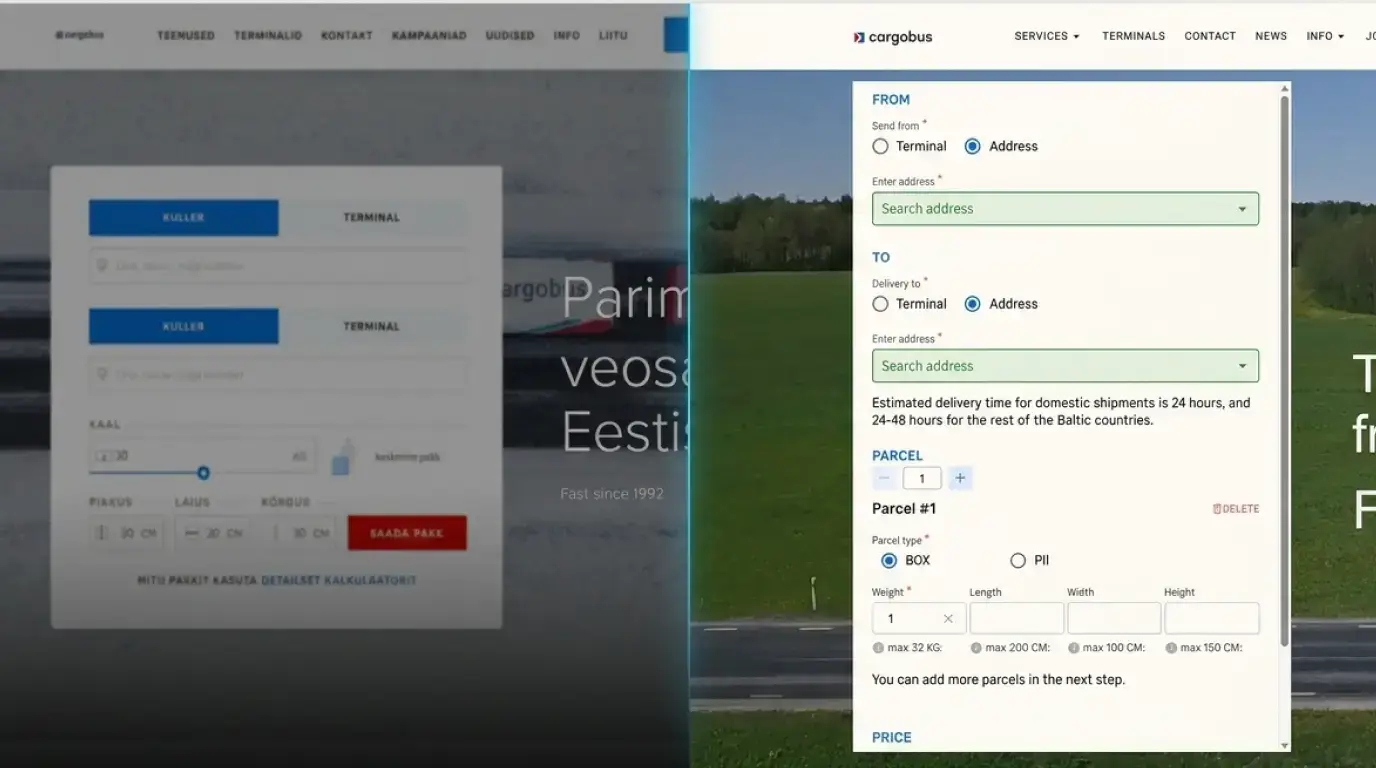
The Problem: A Functional System Without Flexibility
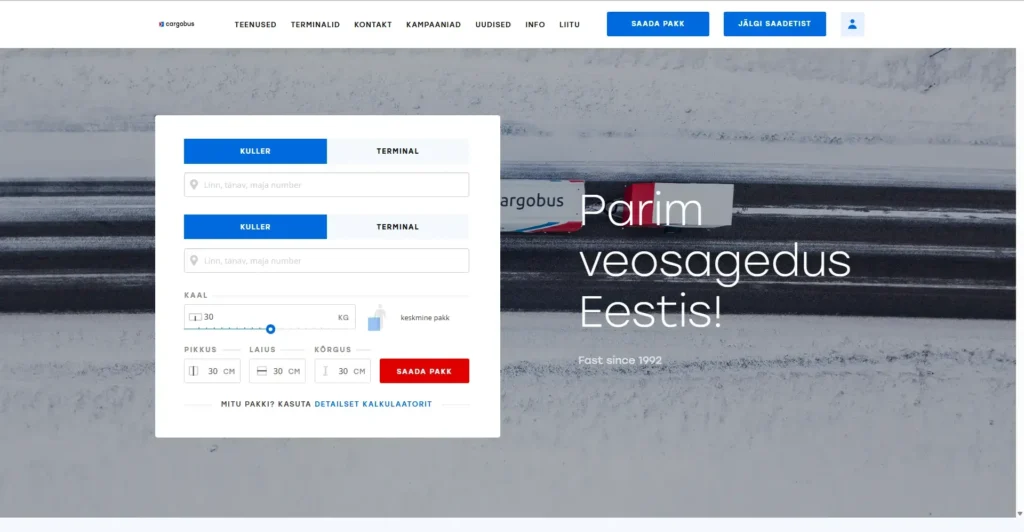
Cargobus was operating on a CakePHP-based system that handled core functionality but lacked flexibility for marketing-driven updates, scalability, and modern integrations.
While the system was technically working, it created several limitations:
- Content updates required development involvement
- Marketing team had limited control over pages and structure
- System expansion (new features, integrations) was complex
- No flexible foundation for scaling operations
The goal was not to redesign the website.
The goal was to preserve the system — and rebuild the foundation around it.
The Challenge: 1:1 Migration Without Breaking Operations
This was not a typical rebuild.
The requirement was clear:
→ Recreate the entire website 1:1 on WordPress
→ Maintain existing structure and user flows
→ Avoid disrupting ongoing logistics operations
At the same time, the new system needed to:
- Support future scalability
- Allow non-technical content management
- Enable deeper system integrations
This meant balancing precision replication with long-term system thinking.
The Solution: Controlled Migration + System Integration Layer
The project was executed in two core phases:
1. Platform Migration (CakePHP → WordPress)
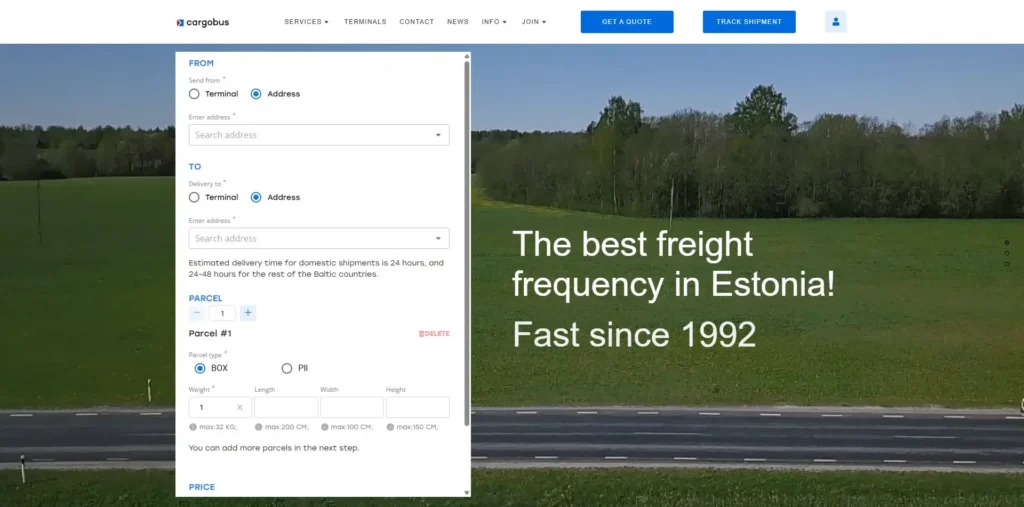
The entire frontend and structure were rebuilt on WordPress with pixel-level accuracy.
Not as a redesign —
but as a controlled system migration.
This ensured:
- Familiar user experience
- No disruption in user behavior
- Seamless transition for existing customers
At the same time, the backend became significantly more flexible for the internal team.
2. City Carrier API Integration
Once the foundation was stable, the system was extended with City Carrier API integrations.
This introduced real operational capabilities directly into the website:
- Parcel creation workflows
- Real-time shipment tracking
- Status updates and delivery progress
- Order-level data synchronization
Instead of acting as a static interface,
the website became an active part of logistics operations.
Parcel Tracking Interface (System Layer in Action)
First Interaction: Entry Point Matters
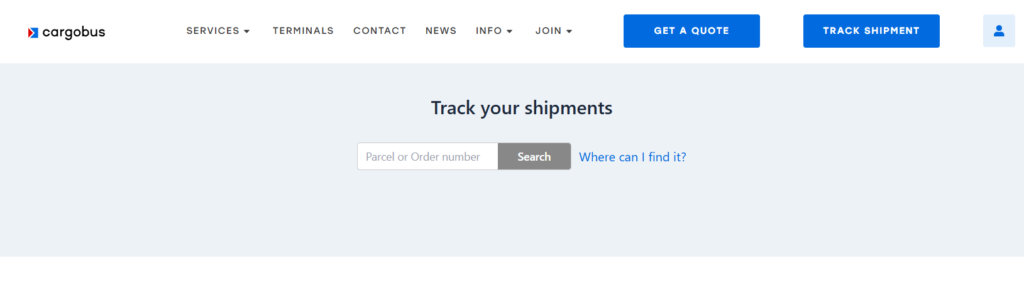
The first interaction with a tracking system defines the entire user experience.
A clean, simple interface that allows users to quickly search by parcel or order number reduces friction and improves usability.
Guidance Improves Usability
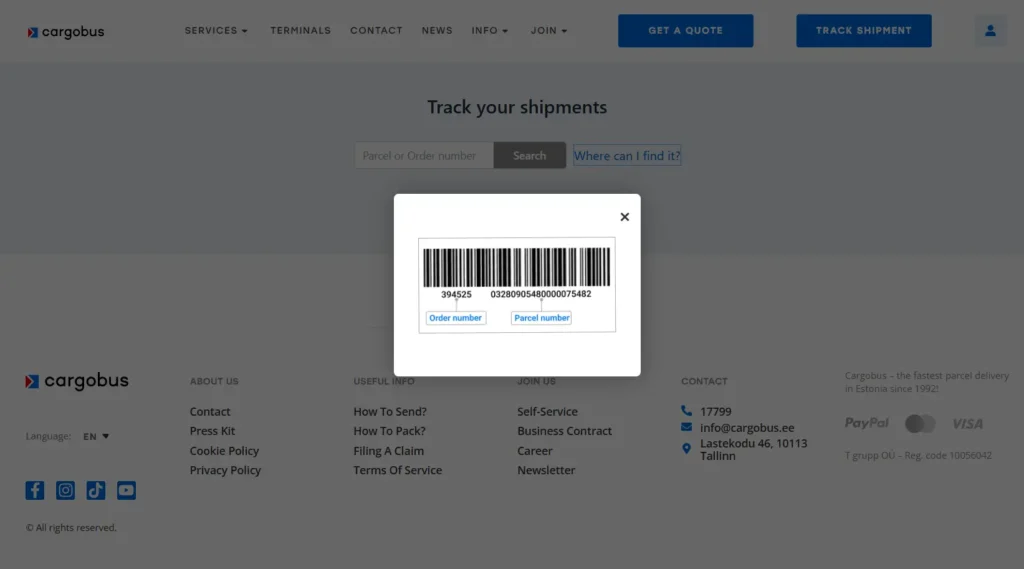
Users often don’t know where to find their tracking number. Without guidance, this creates confusion and unnecessary support requests.
A well-designed system provides contextual help directly within the interface.
Structured Tracking for Active Deliveries
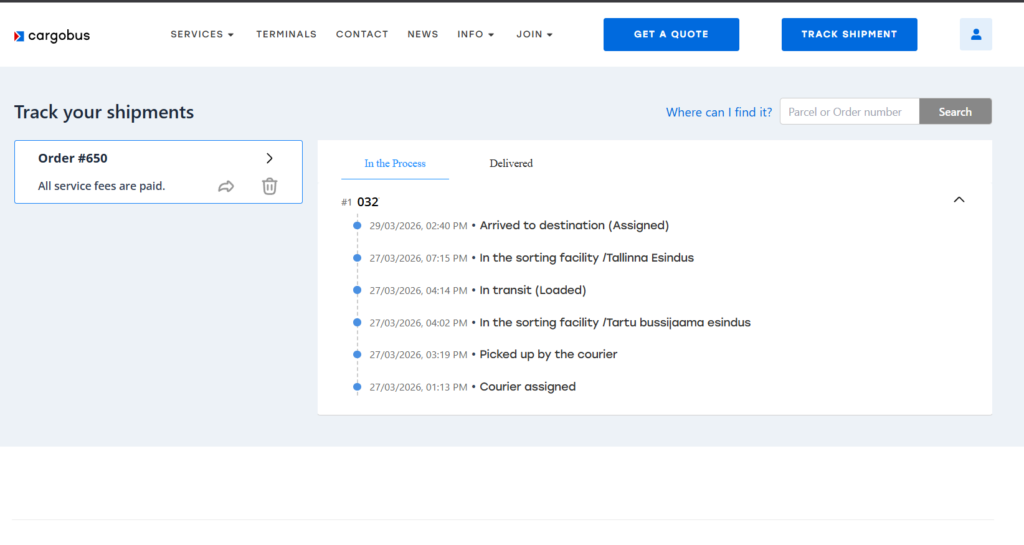
Tracking is not just about showing updates. It is about presenting information in a structured and understandable way.
Modern systems use timeline-based tracking:
- Courier assigned
- Picked up
- Sorting facility updates
- In transit
- Arrived at destination
This creates clarity and reduces uncertainty.
Clear Separation of Delivery States
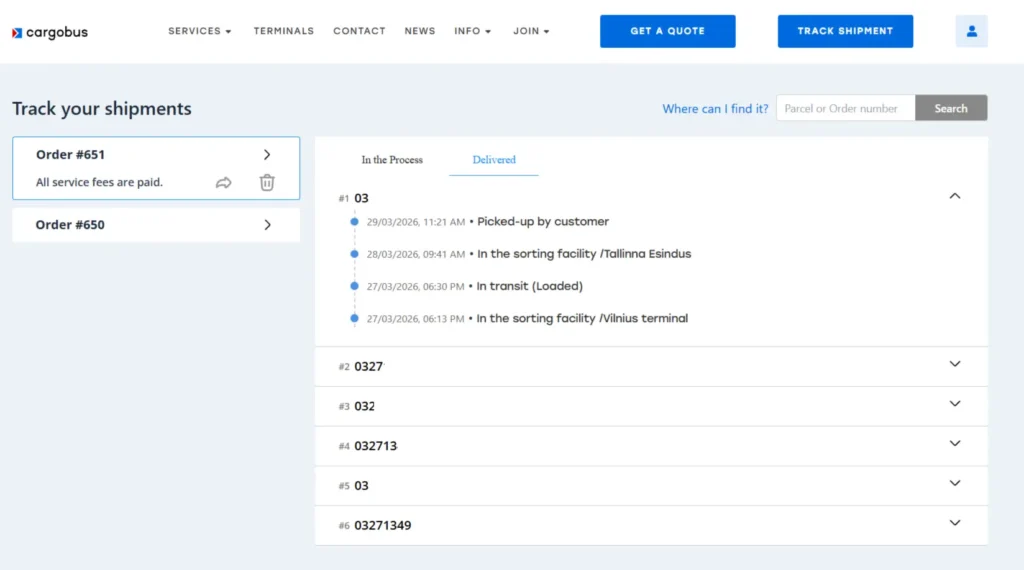
One of the key improvements in modern tracking systems is the separation between active and completed deliveries.
Users can quickly switch between:
- In Process
- Delivered
This removes the need to scan through unnecessary data.
The tracking interface is where the system transformation becomes visible.
Users can:
- Search shipments using parcel or order numbers
- View real-time delivery status
- Track progress across multiple stages
- Access detailed shipment timelines
Each interaction is powered by live API data, not static content.
This turns the website into a functional tool, not just an information layer.
The Result: From Website to Operational System
After the migration and integration:
- The website became fully manageable by the marketing team
- New features can be added without rebuilding the system
- Parcel operations are directly connected to the interface
- Users can interact with real-time logistics data
Most importantly:
The platform is no longer just a website.
It is now a scalable logistics system built on a flexible foundation.
System-Level Impact
This project demonstrates a key principle:
A website does not need a redesign to improve performance.
It needs:
- A stronger foundation
- Better system architecture
- Proper integration between tools and operations
Cargobus moved from a closed technical setup
to an expandable, integration-ready system.
Build Systems, Not Just Websites
If your current platform works but limits growth,
the problem is not visibility — it is structure.
👉 Start your project and rebuild your system the right way.
Start Your System Build
Explore System Building