
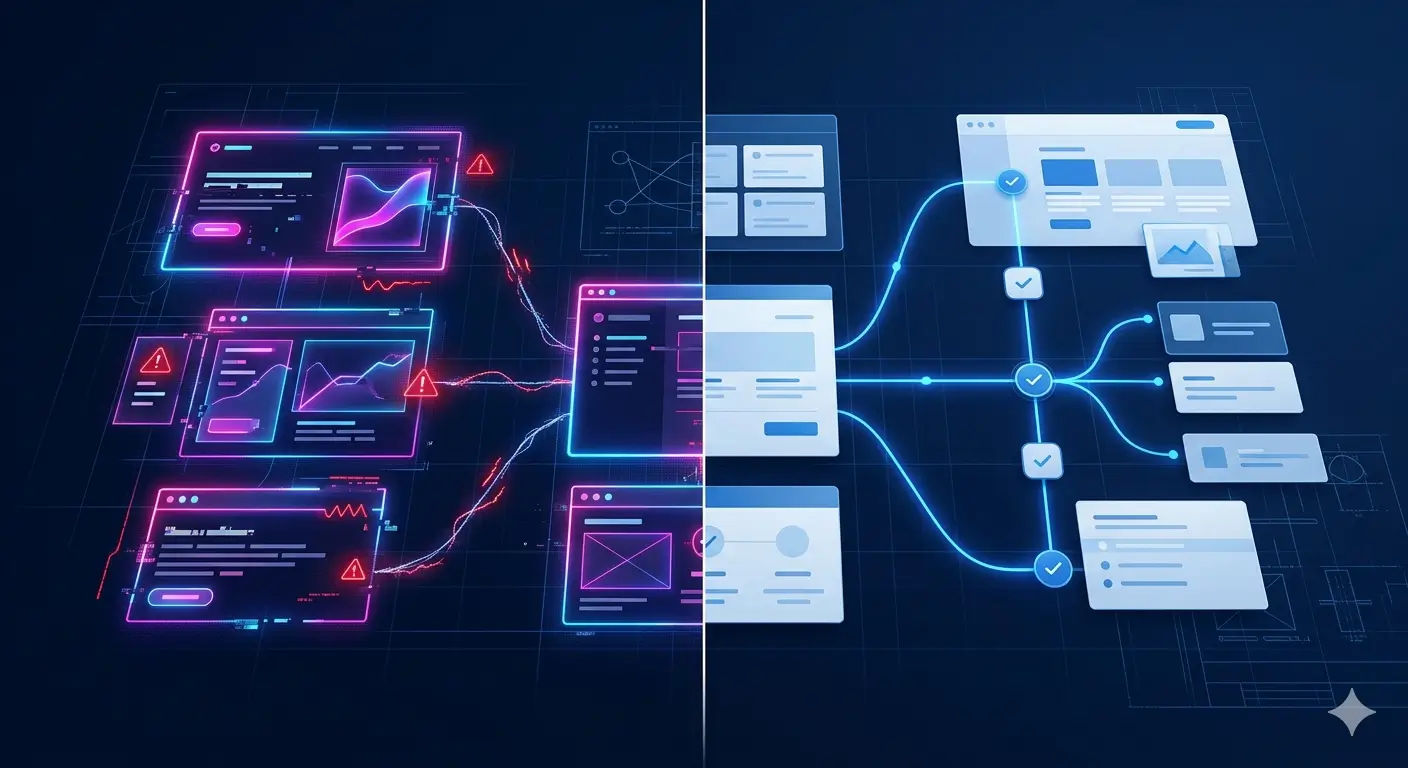
Website Trust Design Is the Real Reason Your Beautiful Website Fails
A clean layout. Smooth animations. Modern UI.
And still… no conversions.
This is where most businesses get it wrong.
They think design builds trust.
But in reality, website trust design is not about how it looks — it’s about how it works.
The Core Problem: Trust vs Design Website Misalignment
A website can look premium and still feel unreliable.
Why?
Because users don’t consciously evaluate design.
They subconsciously evaluate trust.
And trust comes from signals like:
- Speed consistency
- Functional forms
- Clear structure
- Predictable interactions
- System reliability
When these fail, users don’t complain.
They just leave.
This is the hidden layer of website trust issues most businesses never see.
Why Beautiful Websites Still Fail to Convert
Let’s break the illusion.
A “good-looking” website often hides:
- Delayed form responses
- Broken booking logic
- Missing confirmation states
- Inconsistent loading behavior
- Weak or unclear CTAs
These are not design problems.
These are conversion trust factors.
And they directly affect how users behave.
A visitor doesn’t think:
“This website has trust issues.”
They think:
“Something feels off.”
That feeling is enough to kill conversion.
Speed Is a Trust Signal (Not Just Performance)
One of the strongest trust indicators is speed.
Not just loading speed — interaction speed.
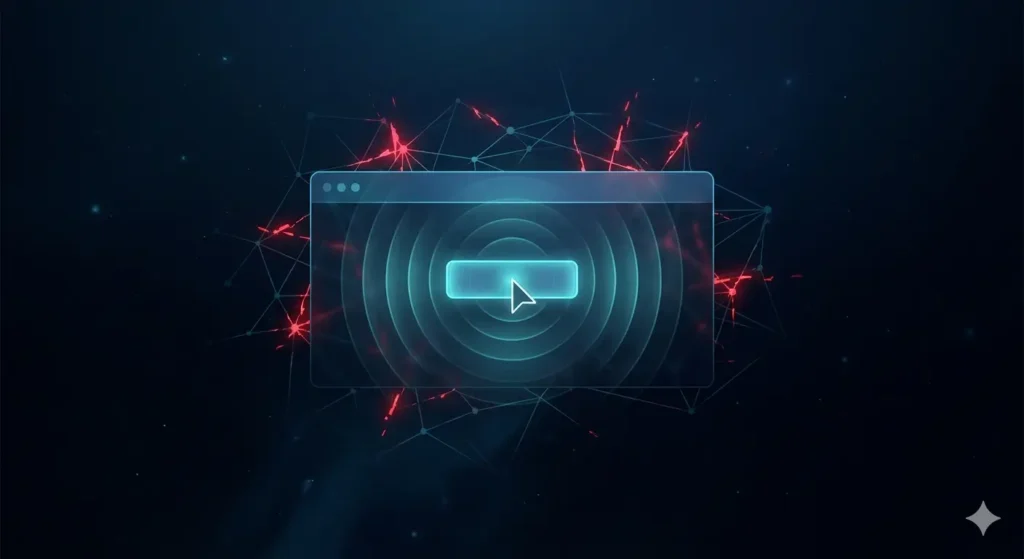
- Click → response delay = trust drop
- Scroll → lag = friction
- Form submit → no feedback = doubt
This is where website UX trust breaks.
And this is why:
👉 Slow websites don’t just lose ranking
👉 They lose confidence
“Slow websites destroy business opportunities”
Trust Is Built Through Systems, Not Design
A real website trust design approach includes:
- Stable backend logic
- Clean user flows
- Reliable integrations
- Predictable behavior
Without these, design becomes decoration.
This is why many websites fail even with traffic.
“why your website isn’t converting even with traffic”

The UX Layer Where Trust Actually Breaks
Most trust issues happen in:
- Forms
- Booking systems
- Checkout flows
- Navigation logic
This is where users make decisions.
And where website conversion trust is either built… or destroyed.
“Website trust signals are structural, not visual”

How to Fix Website Trust Design Issues
You don’t need a redesign.
You need clarity.
Start here:
- Test every form manually
- Check response timing
- Validate booking flows
- Improve feedback states
- Remove friction points
Trust is not added.
It is revealed by removing uncertainty.
Why Users Don’t Trust What They Don’t Understand
Users don’t analyze your website logically. They react emotionally. If something feels slow, unclear, or inconsistent, they hesitate. That hesitation creates doubt, and doubt breaks conversion.
Trust is not a conscious decision — it’s a feeling triggered by smooth interactions and predictable behavior.
Clarity Removes Doubt — Not Better Design
Most websites don’t lose users because of bad design, but because of unclear systems. When users don’t understand what will happen next, they stop.
Clear feedback, fast response, and logical flow remove uncertainty. And when uncertainty disappears, trust naturally follows
Final Thought
A beautiful website gets attention.
A trustworthy website gets results.
If your website looks good but doesn’t convert…
It’s not a design problem.
It’s a website trust design failure.