
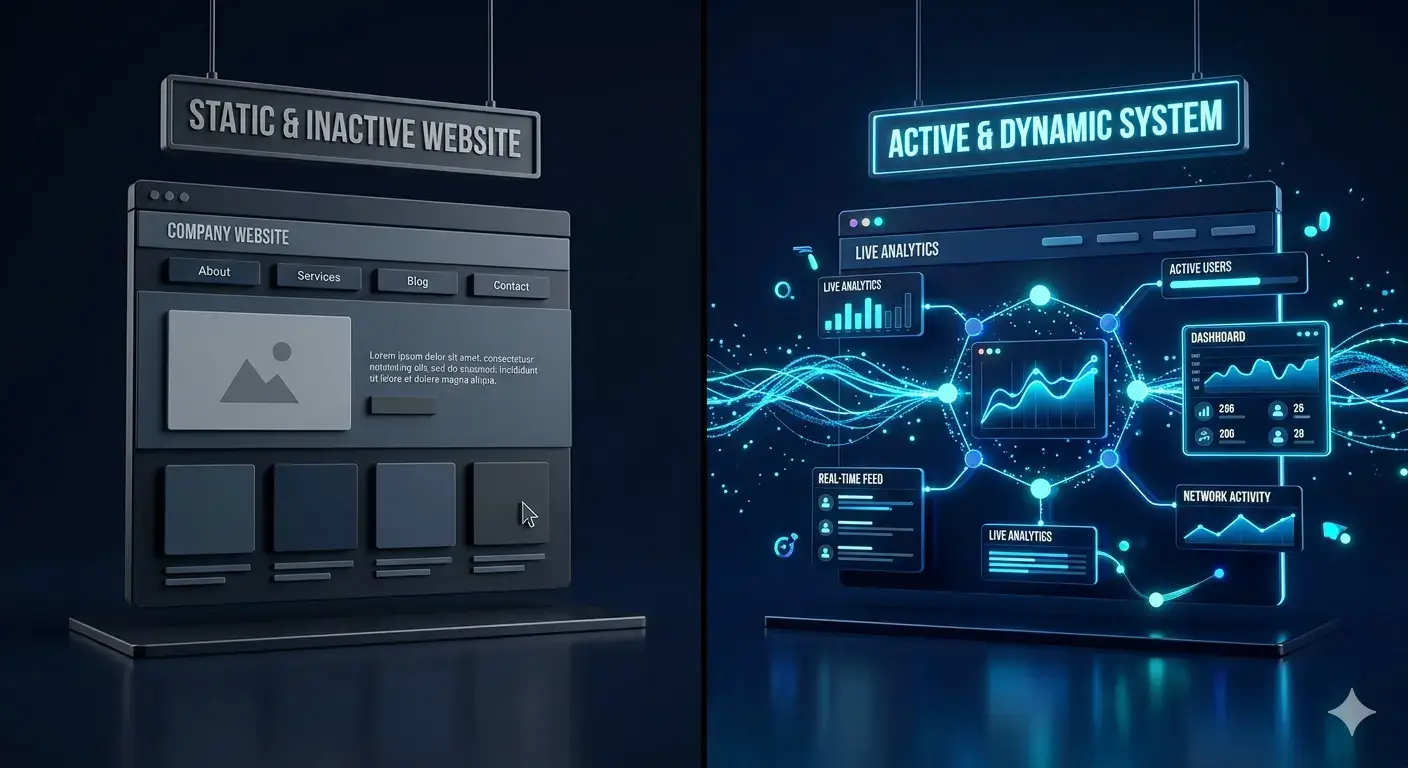
A lead generation website system is the difference between a website that simply exists and one that actively drives revenue.
Most businesses invest in design, content, and SEO — but still struggle to generate consistent leads.
Why?
Because they’re running a website without a system.
It may look modern.
It may load fast.
It may even get traffic.
But without structure behind it, it doesn’t convert.
What Is a Lead Generation Website System?
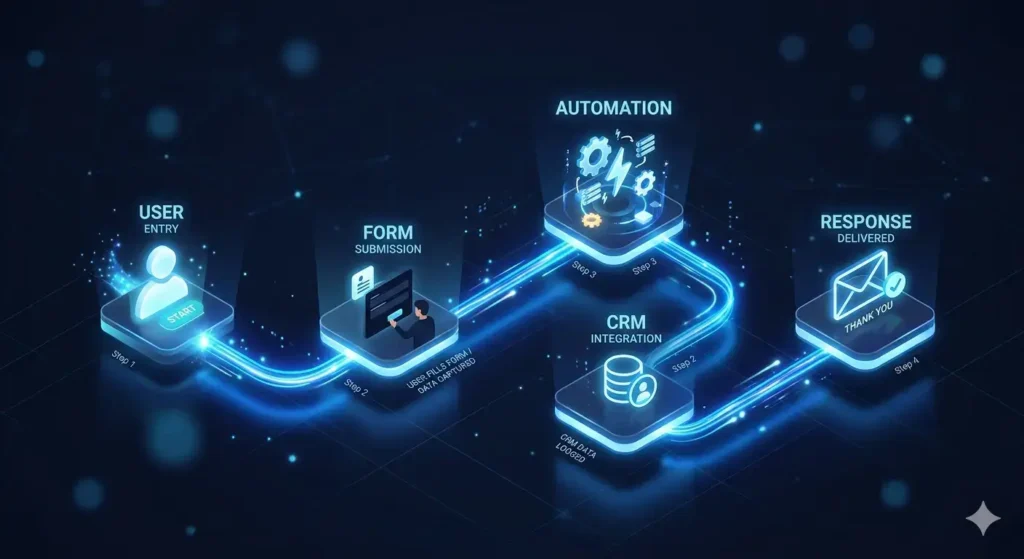
Lead generation is not just a website.
It’s a connected structure designed to:
- capture leads
- qualify visitors
- trigger actions
- automate follow-ups
- convert traffic into business
Unlike static websites, a lead generation system works continuously in the background.
It doesn’t wait for users.
It guides them.
Most businesses misunderstand this difference — they build pages, not systems.
If you’ve seen this pattern before, you’ll notice how often projects fail early in the process.
Static Websites: Where Lead Generation Breaks
A static website presents information.
A lead generation process has intent.
Here’s what static websites typically do:
- show services
- display content
- provide contact forms
But they fail to:
- route leads correctly
- track user behavior
- trigger actions
- automate workflows
This is why many businesses think they have a conversion problem — while the real issue is structural.
The Core Difference: Website vs System
A website is passive.
Lead generation is active.
A website:
- waits for action
- depends on manual follow-ups
- stores disconnected data
A system:
- captures intent instantly
- automates responses
- connects tools and workflows
- supports decision-making
Design alone doesn’t solve this problem — structure does.
What Happens Without a Lead Generation System
When there is no lead generation system, problems don’t appear suddenly.
They accumulate quietly.
- leads are missed
- responses are delayed
- data becomes fragmented
- conversions drop
- revenue leaks increase
These issues are often invisible — until they start affecting revenue directly.

The Role of Automation in Lead Generation
A strong automated lead generation website removes manual work.
It connects:
- forms → CRM
- bookings → confirmations
- inquiries → workflows
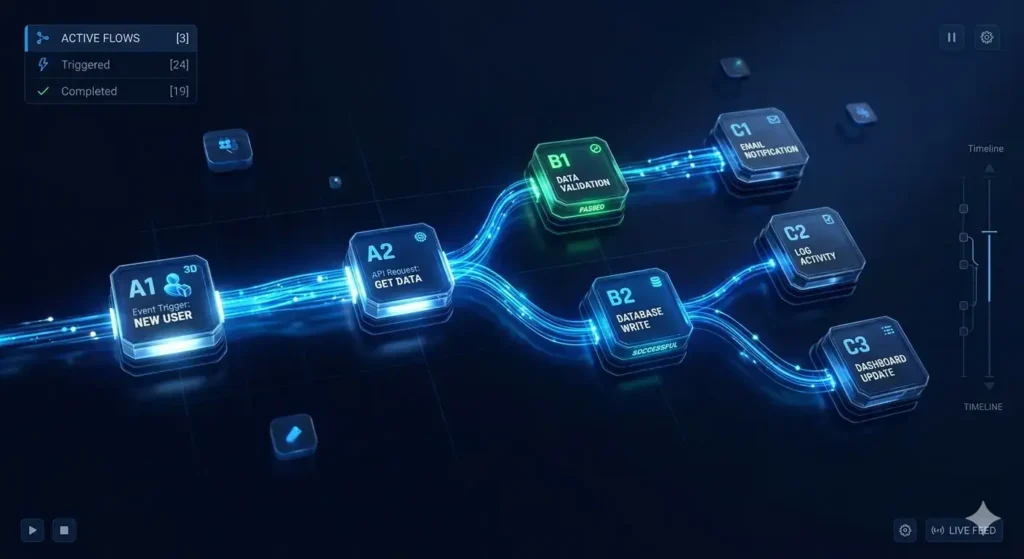
- user actions → triggers
This creates a seamless website automation system where:
- users get instant responses
- businesses save time
- conversions increase naturally
Small UX improvements also play a major role in how users interact with these systems.
Signs Your Website Is Not a System
If your site behaves like this, it’s not a lead generation system:
- you manually follow up every lead
- forms don’t trigger actions
- leads get lost or delayed
- tools are disconnected
- there’s no clear user flow
Many of these issues come from hidden technical problems.
What a Real Lead Generation Website System Looks Like
A true business website system is built with intention.
It includes:
- structured lead capture
- automated workflows
- integrated tools
- optimized user journeys
- clear conversion paths
These elements form the foundation of every high-performing business website.
Final Thought
A website without a system doesn’t fail loudly.
It fails silently.
A lead generation website system ensures:
- every visit has a purpose
- every action is tracked
- every lead is processed
- every opportunity is used
The difference isn’t visual.
It’s structural.
Your Website Should Generate Leads — Not Just Exist
If your website isn’t functioning as a lead-generation system, you’re losing opportunities every day.
What You Can Do Next
- Identify where your system breaks
- Fix structural gaps
- Implement automation
- Turn your website into a conversion engine
👉 Start with a structured audit and see exactly what’s missing.