
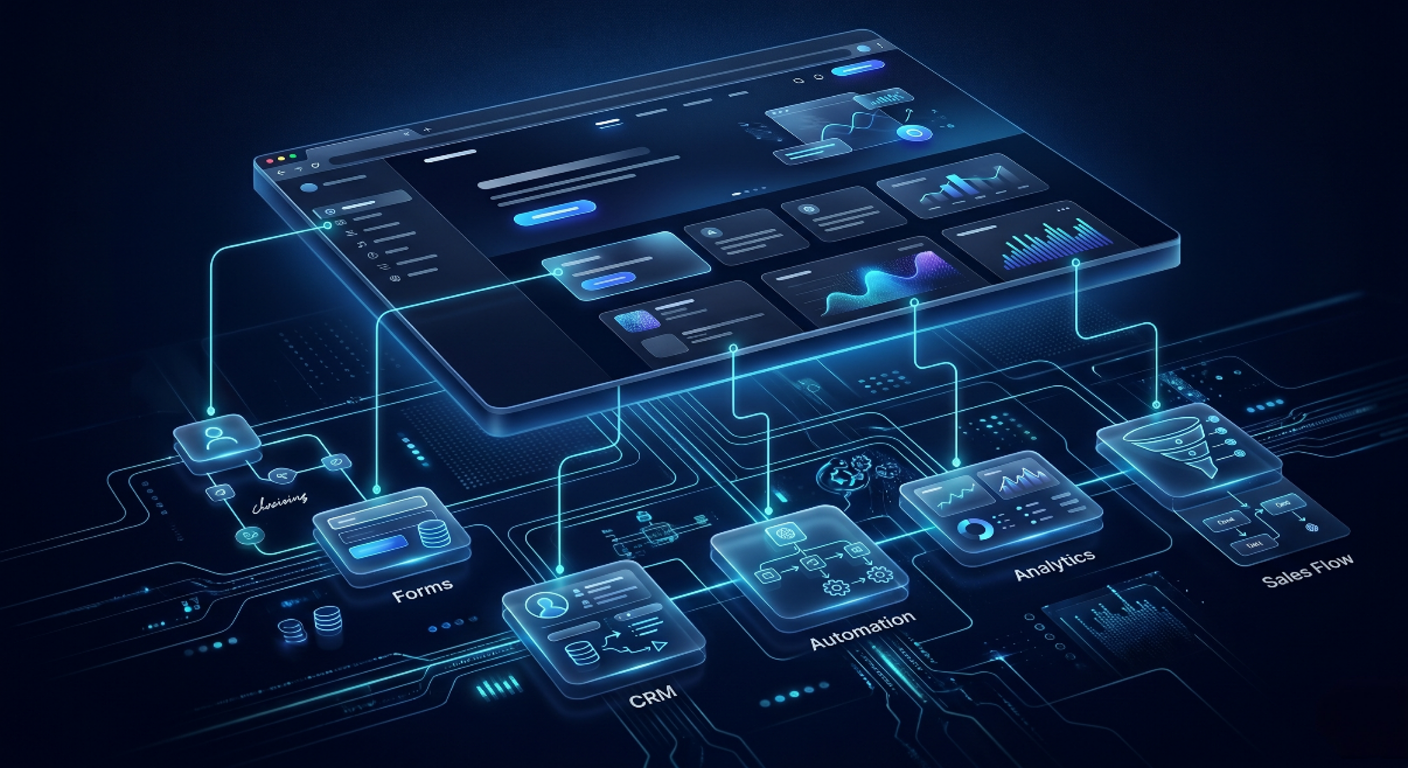
A conversion system website is not just a faster version of a normal business site. It is a structured digital environment where UX, trust, forms, automation, CRM logic, and sales follow-up work together. Many companies try to fix weak performance by compressing images, changing plugins, or improving scores. Those actions may help, but they rarely solve the real issue: the website is not operating as a complete business system.
Why a Conversion System Website Goes Beyond Speed
Speed matters, but speed alone does not explain why visitors hesitate, leave, or fail to contact the business. A page can load quickly and still create confusion. A form can appear clean and still ask the wrong questions. A call-to-action can be visible and still fail because the offer is unclear.
This is where a conversion-focused website becomes different from a simple online brochure. It does not only present information. It organizes attention, reduces doubt, guides decisions, and turns interest into a clear next step. Without that structure, even strong traffic can become invisible waste.
1. The User Journey Must Have a Clear Business Purpose
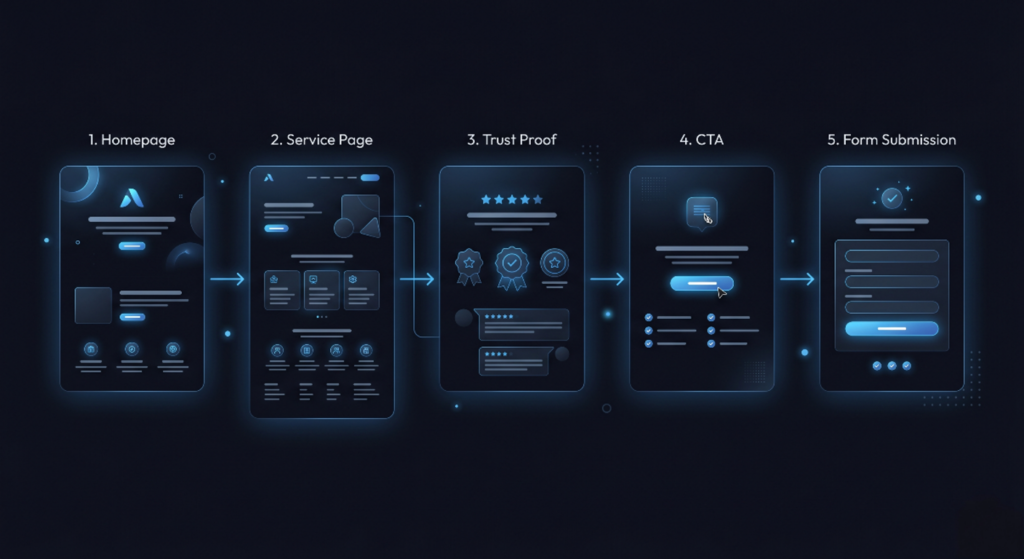
Most weak websites are built page by page instead of journey by journey. The homepage says one thing, the service page says another, and the contact page feels disconnected from both. The user is forced to understand the business alone.
A stronger system starts with intent. What should a new visitor understand in the first few seconds? What proof do they need before contacting you? What action should they take if they are not ready to buy today? These questions shape the conversion flow before design decisions begin.
2. Trust Is Part of the System, Not Decoration
Trust is often treated as a visual layer: add testimonials, show logos, place a few badges. But trust is also built through clarity, consistency, pricing signals, process explanation, and realistic expectations.
If a visitor cannot understand what happens after they submit a form, the website creates friction. If service pages sound generic, the business feels replaceable. If proof is disconnected from the offer, the user may admire the design but still avoid taking action.
High-converting websites make trust operational. They show what the company does, who it helps, how the process works, and why the next step feels safe.
3. Lead Capture Must Support Customer Handling
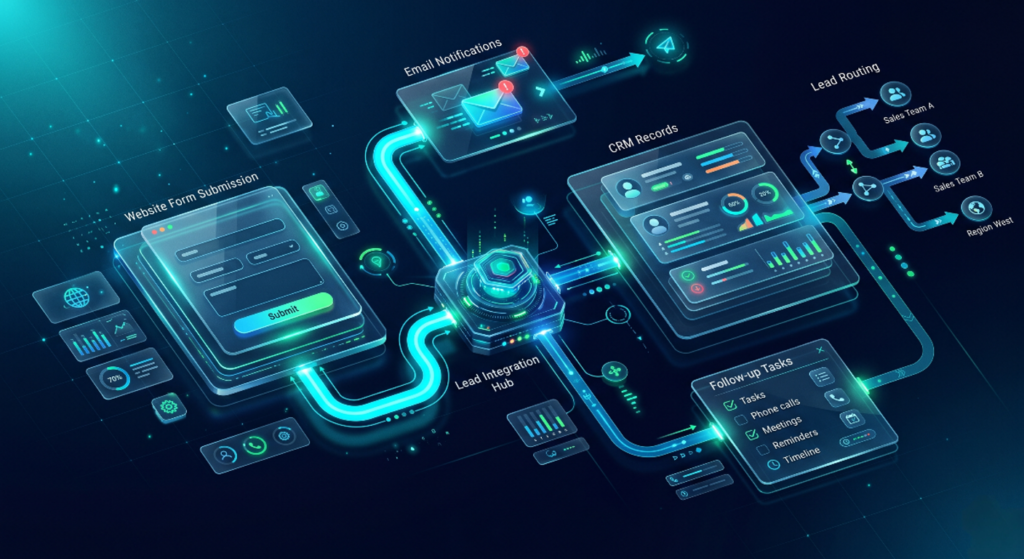
A contact form is not automatically a lead system. Many forms collect too little context, send vague notifications, or push all inquiries into the same inbox. This creates weak customer handling after the website has already done the hard work of attracting attention.
Better lead capture asks for the right information without making the form heavy. It separates project types, urgency, budget range, service interest, and preferred contact method. That gives the business a faster way to respond with relevance.
When form logic is poor, sales teams waste time guessing. When form logic is structured, response quality improves.
4. Automation Turns Interest Into Action
Manual follow-up often breaks the journey. Someone submits a form, waits too long, receives a generic reply, or gets lost between team members. This is not only a communication issue. It is a lead flow automation problem.
A proper website automation system can send confirmation emails, notify the right person, organize lead details, trigger follow-up tasks, and segment inquiries by service type. The goal is not to replace human sales. The goal is to remove delays and prevent opportunities from disappearing.
5. CRM Integration Connects the Website to Sales Reality
Without CRM integration, website leads often remain disconnected from the actual sales process. A business may have traffic, form submissions, and analytics, yet still lack visibility into what happens after the inquiry.
CRM logic helps connect marketing activity with sales outcomes. It shows which pages generate serious leads, which service requests move forward, and where prospects drop out. This makes website decisions more practical because optimization is based on business movement, not only page metrics.
6. Performance Should Be Measured by More Than Scores
Technical speed work is still important (Core Web Vitals). Website performance optimization improves loading, stability, and usability. But performance should also be judged by the quality of the journey after the page loads.
Are users reaching the right section? Are they clicking the right CTA? Are forms being completed? Are inquiries handled quickly? Are qualified leads tracked? These questions reveal deeper problems than basic slow website issues alone. conversion rate and UX
A fast website with weak structure is still a weak sales asset.
7. The Hidden Layer Is What Makes the Website Valuable
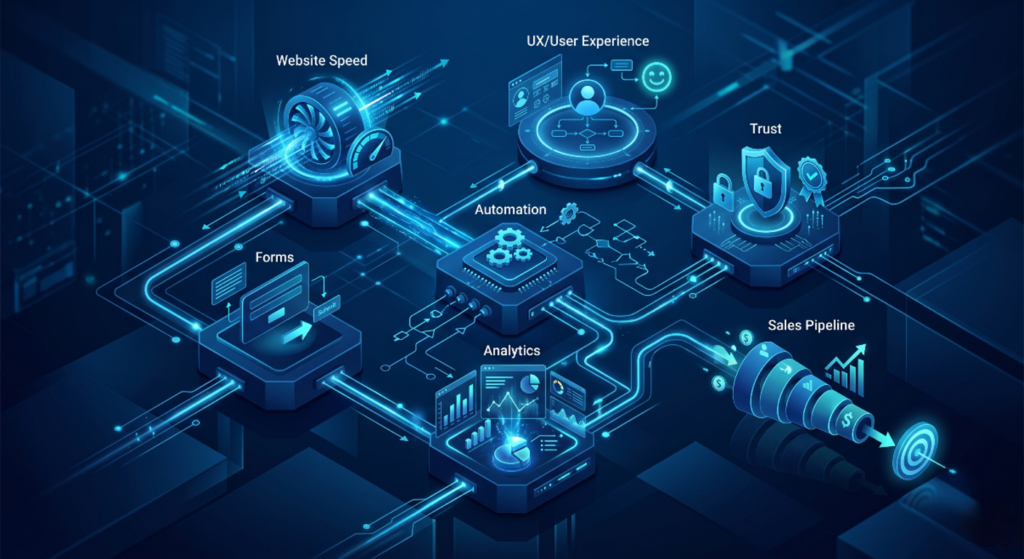
The hidden layer behind a high-converting website is the connection between strategy, UX, automation, CRM, analytics, and response process. It is not always visible on the screen, but users feel it through clarity and businesses feel it through smoother operations.
A conversion system website works because every part has a role. The headline sets direction. The sections reduce doubt. The CTA creates movement. The form captures useful context. The automation protects response time. The CRM turns inquiries into measurable sales opportunities.
That is why surface fixes often fail. They improve the appearance of performance without improving the system behind it.
A website should not only look professional or load quickly. It should help the business sell, respond, learn, and grow with less friction.
Stop Fixing Pages. Start Fixing the System.
If your website gets traffic but does not create enough qualified leads, the issue may be deeper than speed, design, or content. Mono Digital can review the structure behind your conversion system website and identify where users, forms, automation, and sales flow are breaking.