
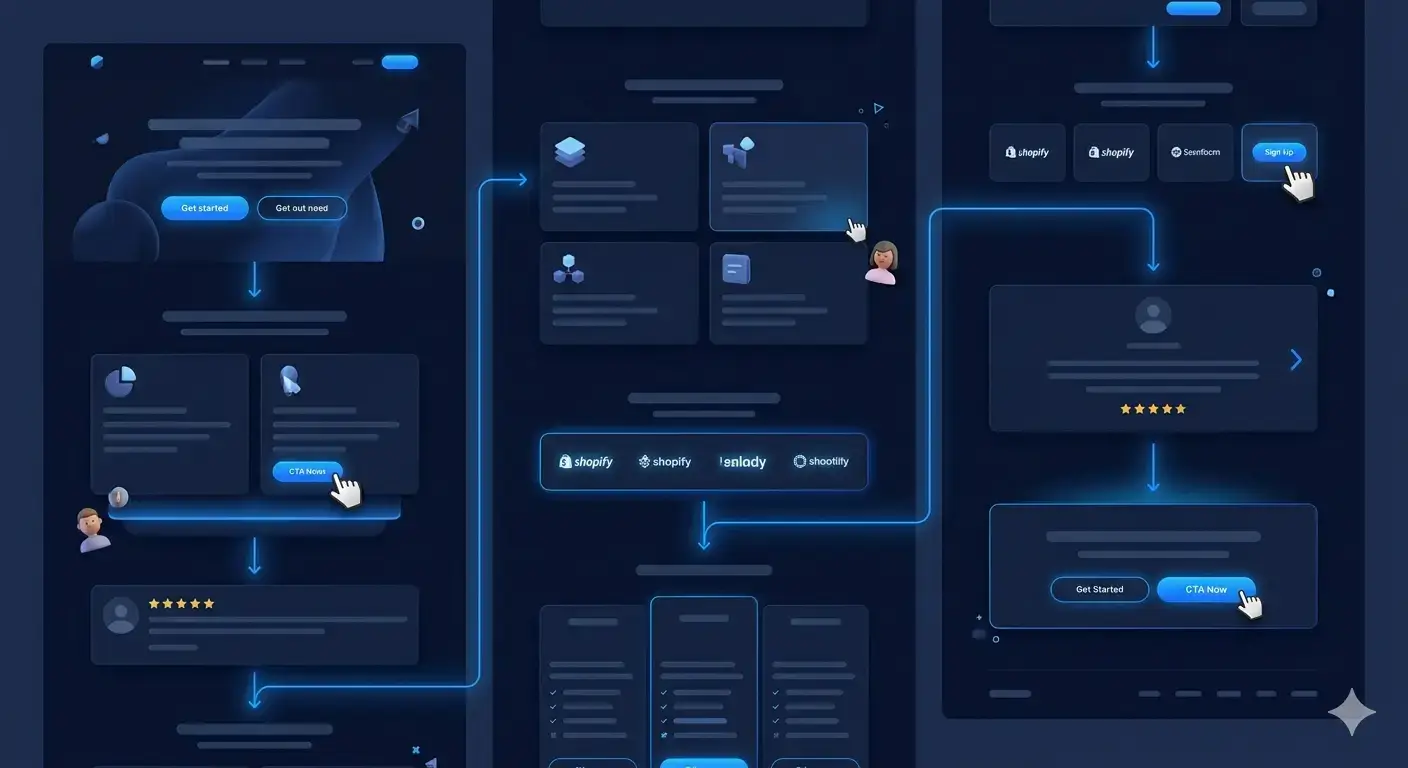
A conversion psychology website does not convert because it looks impressive. This is the foundation of website conversion psychology, where user perception drives action. It converts because it makes people feel oriented, safe, and confident enough to keep moving. That is the real difference between a website that gets traffic and one that creates qualified leads.
Most businesses assume conversion problems start at the form, the CTA, or the price. In reality, the decision often breaks much earlier. A visitor lands on the page and begins asking silent questions: What is this? Is it relevant to me? Do I trust this company? What should I do next? If the website fails those questions, the user leaves before persuasion even begins. A high-converting website is a psychological system, not just a digital brochure.
1. Clarity reduces cognitive load before persuasion begins
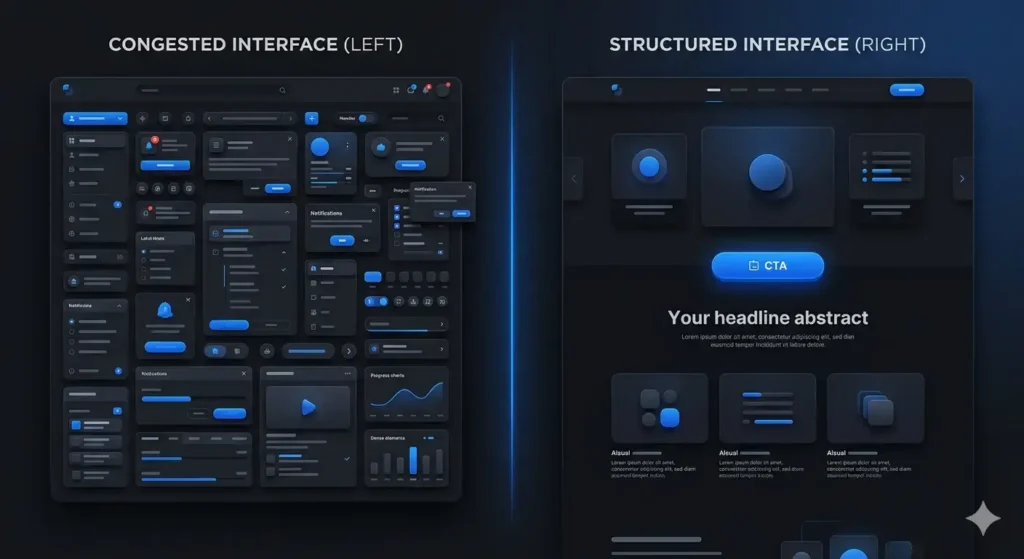
The first job of a website is not to impress. It is to make sense. When users arrive, they scan for clarity, not creativity. If your headline is vague, your structure is fragmented, or your service logic is hard to follow, the brain experiences friction. That friction becomes hesitation, and hesitation reduces action. This is a classic issue in cognitive load website design, where complex structure negatively impacts website user behavior.
This is why small UX decisions matter more than many businesses realize. Headline clarity, section order, button labels, spacing, visual hierarchy, and content grouping all shape how easily a user can process the page. The easier the page is to understand, the less mental effort the user spends, and the more energy remains for decision-making.
2. Trust lowers perceived risk
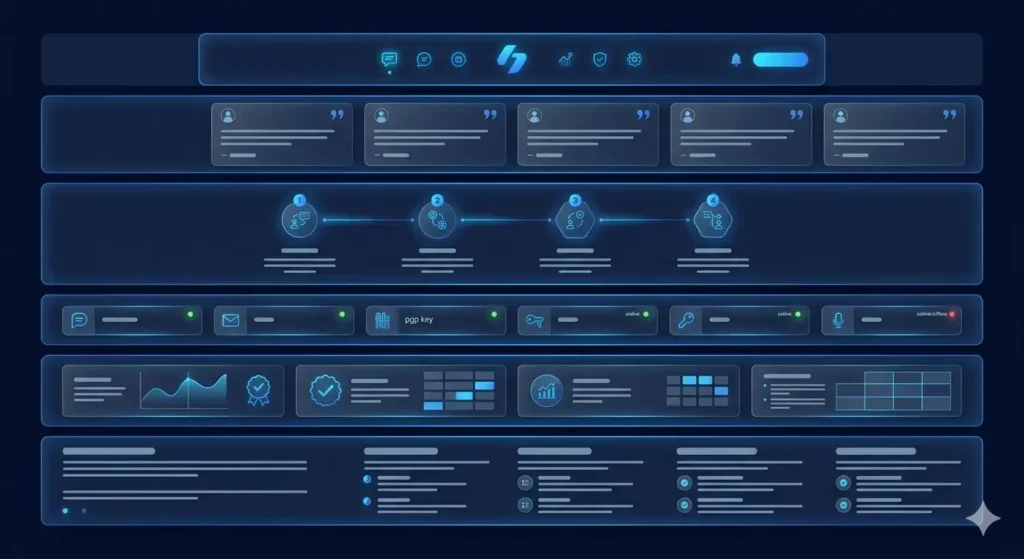
Every conversion is a risk calculation, driven by perceived risk in web design and reduced through strong website trust signals. Even if your service is valuable, the visitor still wonders whether the outcome will match the promise. Strong website trust signals reduce that uncertainty. They show proof, structure, accountability, and professionalism before the user has to ask for it.
Trust is rarely built by one big element. It is built through consistency. Clean messaging, visible process, relevant proof, realistic claims, pricing logic, response clarity, and strong page structure all work together. In other words, trust is a structural layer, not an aesthetic extra. This is also why beautiful websites still fail to convert when they look polished but feel vague, thin, or emotionally distant.
3. Momentum matters more than pressure
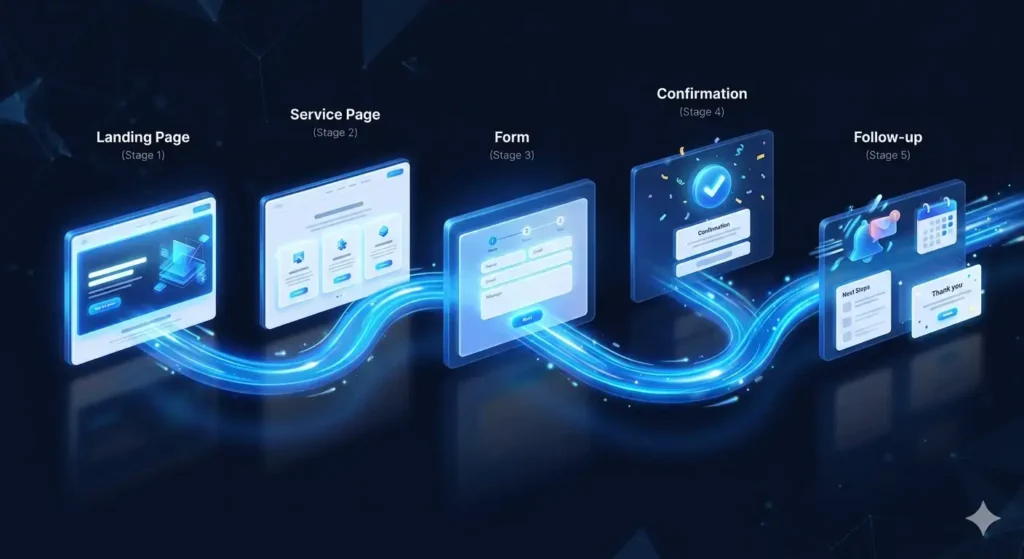
Many websites try to force conversion with louder CTAs, more urgency, or repeated buttons. This is exactly where most low-performing websites start losing qualified leads. But users move when momentum feels natural. Good conversion psychology creates a smooth conversion flow where users move through a natural sequence: understand, believe, evaluate, act. When that sequence is broken, users stall.
A strong lead generation system supports this momentum. The page answers the next logical question before the user needs to search for it. Instead of pushing harder, the site reduces resistance step by step. That is what makes the experience feel easy, and ease is one of the strongest hidden drivers of conversion.
4. Choice architecture shapes user behavior
Too many options can weaken action. Too few can create uncertainty. High-converting websites manage this balance carefully. They guide attention toward the right next step without making the user feel trapped. This creates user decision friction, which weakens action even when demand exists.
This is where navigation logic, section order, CTA placement, and service packaging matter. When a visitor has to compare too many paths, decode unclear offers, or wonder which page to visit next, action drops. Much of why your website is not converting comes down to weak choice architecture rather than weak traffic.
5. Speed protects intent
Psychology is not only about words and design. It is also about timing. Intent is emotional, and emotion fades quickly when the page feels slow, broken, or inconsistent. Even strong demand can weaken during a delayed load, an awkward scroll, or a fragmented mobile experience.
This is why website performance issues directly affect behavior. Slow pages increase doubt, interrupt flow, and reduce trust — a direct relationship between website speed and conversion. In revenue terms, website speed impacts business revenue because every delay gives the user more time to reconsider, compare, or leave.
6. Reassurance after the click affects lead quality
Conversion does not end when the form is submitted. Post-click psychology matters just as much. Users want confirmation that they made the right move. They want clear next steps, response expectations, and evidence that the business handles inquiries professionally. This is a critical part of any lead conversion strategy, not just a technical follow-up step.
This is where many sites create hidden losses. Weak thank-you pages, unclear follow-up, and slow response systems damage confidence after the action. A proper conversion rate diagnosis often reveals that the leak is not only on-page, but also in the handoff between visitor, form, and response process.
7. High-converting websites align psychology with structure
The strongest high-converting website systems do not rely on hacks. They align message, UX, trust, speed, and follow-up into one coherent experience. That is why website audits reveal problems that business owners often miss. The issue is usually not one button or one sentence. It is the interaction between multiple small gaps.
When those gaps stack up, they become website revenue leaks, even in a conversion-focused website. And when they are fixed, the website becomes more predictable, more persuasive, and more commercially useful. A true conversion psychology website is built around how people actually decide, not how brands wish they decided.
Fix the Hidden Friction Blocking Your Conversions
If your website gets attention but struggles to turn that attention into inquiries, the problem is usually structural. A focused audit can uncover the trust gaps, UX friction, and decision barriers quietly reducing action.